Saturday, November 10, 2012
TONIGHT AT THE DOCNYC the BIG STAR documentary NOTHING CAN HURT ME.
UPDATE: while sold out ...there will be a rush line at theater ...a small amount are held .. there MAY be some at the actual box office or online at docnyc.net. NOTE .. the doc is about BIG STAR the band with Alex Chilton, Jody Stephens etc. the owner of Ardent is John fry.... and what I write about below is not the focus of the film but was referenced in the cut I saw at SXSW on last March ..and hit me hard ..
I loved Big Star. this is a new cut so I do not know what is in it. Jus hope it does not continue to CLOSET Big Star That said please read on :
--------------
Big Star for some music geeks and thousands of boys and girls with guitars were the US BEATLES. Never as successful as individual member ALEX CHILTON they were their generations VELVET UNDERGROUND ...but there were secrets about the band
never revealed until now CHRIS BELL was gay and had a relationship .is with Studio owner John Fry It caused band friction. Chris left the band and the owner became "born again", Bell finally was killed in a late night car crash. WAS CHRIS BELL THE VICTIM of HOMOPHOBIA in a swirl of southern christian fundamentalism ? Just one on the mysteries this excellent doc raises .. it plays to tonight sat at the docnyc fest (docnyc.net )be there ...the surviving members will be.. including John Fry.. trust me ..this is a doc you will want to see and hear


Friday, November 2, 2012
Thursday, October 11, 2012
Bat For Lashes - Letting Go Of Ghosts - Creating The Haunted Man
Bat For Lashes is one if the few artist to come out of the UK over the last few years who has interested me. Adele aside (am a fan of that beautiful voice and full figured reality check on pop stardom) Bat has only had her way with some critics here and some goth folk that could not see beyond the initial fashion statement .. so here she talks about her career and positions her new album and new single. Was delight toi find this on the Tribeca Film site
KEEP THE LIGHTS ON review
LEAVE THE LIGHTS ON director Ira Sacks
When WEEKEND the British indie directed by Andrew Haigh broke out of SXSW in 2011, gay/queer film making finally came of age and could drop the descriptive sexual orientation adjective as a marketing tool. WEEKEND told a universal story of a chance hook up , sexual intensity, and desire. The fact that the two lead characters were men and the story a same sex love story was not the critical issue. What was, was the human universality of attraction and the consequences of venerability. WEEKEND prepared the way for the centrality of human experience that LEAVE THE LIGHTS ON explores. We meet an adult son of a wealthy family who calls himself a filmmaker and is trying to make a documentary that will prove to his family and himself that he is not just about being fashionably artistic. The politics of mainstreaming homosexuality have presented an image of assimilation that seems to say we are all the same except for how we have sex .
Well yes and no.
Ira Sacks to his credit brings the reality of how gay men have sex and fall in and out of love that is almost universally absence in cinematic portrayals of homosexuals. Sacks is a critically acclaimed filmmaker who won the Grand Jury prize at Sundance for 40 SHADES OF BLUE, a film about an outsider’s desire to conform. The best film making is when a director brings personal insight into the complexity of the script. Sacks is fearlessly personal in his commitment to reveal the complexity of a relationship going bad because of one partner’s crack addiction and the other’s desperate belief that love will cure him. This is a middle class love and addiction story, Not a new story, but historical theme in modern dress.
Erik, (Danish actor (Thure Lindhardt), the documentary filmmaker and Paul, (Zachary Booth, Damages) a closeted lawyer, deliver brave performances that portray the couple’s 10 year relationship. It is a story of toxic love, the seduction of enabling and the devastation of addiction and consequences of venerability. Lindhardt plays the filmmaker with a sensitivity that will mine any memory the viewer may have of a personal situation the stills lies buried in painful repression. Secondary roles are expertly cast with Julianne Nicholson radiant as Eric’s best female friend Sacks is able to make seemingly normal those things that are different in the lives of gay men without making an assimilation's dream come true fairy tale.
KEEP THE LIGHTS ON is a breakthrough film and possibly the best American indie film of the year!
Not pretty, but like life itself, sometimes romantic and deeply complicated. The soft, sad, hypnotic, sexy music of Arthur Russell is perfect. A contemporary soundscape for the soul sonics the film requires. Brilliant choice on Sacks’ part. Arthur Russell "Lets Go Swimmng" remix Walter Gibbons Audika records
.
Yes, KEEP THE LIGHTS ON says that gay males are different. It is a story that regardless of your sexual orientation is located in the human experience and resonates across all identify boundaries. But, and this is the critical turning point, Sacks shows how emotions are not defined by sexual orientation. By doing so Sacks like Haigh opens the door to commonality of emotional resonances across all the barriers that identity politics have created.
A must see movie. Oh did I say it is sexy too? Very sexy
trailer: keep the lights on
When WEEKEND the British indie directed by Andrew Haigh broke out of SXSW in 2011, gay/queer film making finally came of age and could drop the descriptive sexual orientation adjective as a marketing tool. WEEKEND told a universal story of a chance hook up , sexual intensity, and desire. The fact that the two lead characters were men and the story a same sex love story was not the critical issue. What was, was the human universality of attraction and the consequences of venerability. WEEKEND prepared the way for the centrality of human experience that LEAVE THE LIGHTS ON explores. We meet an adult son of a wealthy family who calls himself a filmmaker and is trying to make a documentary that will prove to his family and himself that he is not just about being fashionably artistic. The politics of mainstreaming homosexuality have presented an image of assimilation that seems to say we are all the same except for how we have sex .
Well yes and no.
Ira Sacks to his credit brings the reality of how gay men have sex and fall in and out of love that is almost universally absence in cinematic portrayals of homosexuals. Sacks is a critically acclaimed filmmaker who won the Grand Jury prize at Sundance for 40 SHADES OF BLUE, a film about an outsider’s desire to conform. The best film making is when a director brings personal insight into the complexity of the script. Sacks is fearlessly personal in his commitment to reveal the complexity of a relationship going bad because of one partner’s crack addiction and the other’s desperate belief that love will cure him. This is a middle class love and addiction story, Not a new story, but historical theme in modern dress.
Erik, (Danish actor (Thure Lindhardt), the documentary filmmaker and Paul, (Zachary Booth, Damages) a closeted lawyer, deliver brave performances that portray the couple’s 10 year relationship. It is a story of toxic love, the seduction of enabling and the devastation of addiction and consequences of venerability. Lindhardt plays the filmmaker with a sensitivity that will mine any memory the viewer may have of a personal situation the stills lies buried in painful repression. Secondary roles are expertly cast with Julianne Nicholson radiant as Eric’s best female friend Sacks is able to make seemingly normal those things that are different in the lives of gay men without making an assimilation's dream come true fairy tale.
KEEP THE LIGHTS ON is a breakthrough film and possibly the best American indie film of the year!
Not pretty, but like life itself, sometimes romantic and deeply complicated. The soft, sad, hypnotic, sexy music of Arthur Russell is perfect. A contemporary soundscape for the soul sonics the film requires. Brilliant choice on Sacks’ part. Arthur Russell "Lets Go Swimmng" remix Walter Gibbons Audika records
.
Yes, KEEP THE LIGHTS ON says that gay males are different. It is a story that regardless of your sexual orientation is located in the human experience and resonates across all identify boundaries. But, and this is the critical turning point, Sacks shows how emotions are not defined by sexual orientation. By doing so Sacks like Haigh opens the door to commonality of emotional resonances across all the barriers that identity politics have created.
A must see movie. Oh did I say it is sexy too? Very sexy
trailer: keep the lights on
Wednesday, August 15, 2012
THREE AIDS MOVIES: One is dishonest
jim Fouratt’s
REEL DEAL
Movies That Matter
 ACT UP Documentaries : How to Survive a Plague (second look) and UNITED IN ANGER: the History of ACT UP + WE WERE HERE
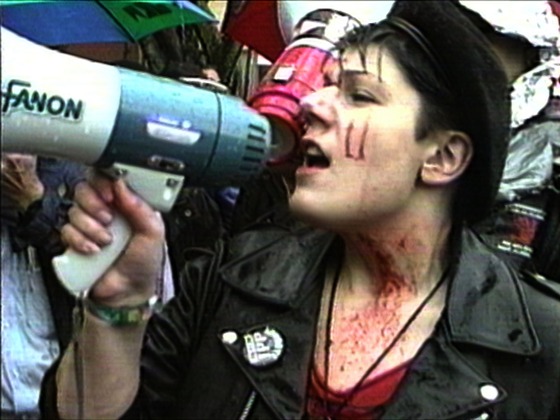
Two documentaries have arrived that purport to tell the truth about ACT UP: David France's HOW TO SURVIVE A PLAGUE and Jim Hubbard's UNITED IN ANGER:THE HISTORY OF ACT UP. They are two very different approaches trying to tell the story and impact of ACT UP. One is an adult fairy tale and the other a mostly visual timeline. Both draw upon much of the same visual documentation and focus on ACT UP-NY despite how ACT UP became an international movement. The directors had once been roommates.Hubbard was a members of ACT UP-NY (as was I ). France, a journalist, started his career writing about AIDS . Hubbard was an experimental filmmaker who had lost to AIDS in 1985 his significant other, Roger Jacoby, a well known experimental filmmaker who dated back to the Warhol years Both directors share an insider point-of-view. I suggest this became both a strength and a weakness when it came to objectivity. It is also what gave me trouble in distancing myself to form a critical point of view after my first view of each. Note: after seeing the world premier of PLAGUE at Sundance I did file the next day a review published in Westview and on social media . After a few weeks and some distance from the emotional impact of seeing people alive on screen that I loved and who are now dead, I began to have second, more critical thoughts and concerns about the documentaries. Hence my second look at PLAGUE and a comparison with UNITED IN ANGER
Lets go to the Movies
ACT UP Documentaries : How to Survive a Plague (second look) and UNITED IN ANGER: the History of ACT UP + WE WERE HERE
Two documentaries have arrived that purport to tell the truth about ACT UP: David France's HOW TO SURVIVE A PLAGUE and Jim Hubbard's UNITED IN ANGER:THE HISTORY OF ACT UP. They are two very different approaches trying to tell the story and impact of ACT UP. One is an adult fairy tale and the other a mostly visual timeline. Both draw upon much of the same visual documentation and focus on ACT UP-NY despite how ACT UP became an international movement. The directors had once been roommates.Hubbard was a members of ACT UP-NY (as was I ). France, a journalist, started his career writing about AIDS . Hubbard was an experimental filmmaker who had lost to AIDS in 1985 his significant other, Roger Jacoby, a well known experimental filmmaker who dated back to the Warhol years Both directors share an insider point-of-view. I suggest this became both a strength and a weakness when it came to objectivity. It is also what gave me trouble in distancing myself to form a critical point of view after my first view of each. Note: after seeing the world premier of PLAGUE at Sundance I did file the next day a review published in Westview and on social media . After a few weeks and some distance from the emotional impact of seeing people alive on screen that I loved and who are now dead, I began to have second, more critical thoughts and concerns about the documentaries. Hence my second look at PLAGUE and a comparison with UNITED IN ANGER
Lets go to the Movies
 HOW TO SURVIVE A PLAGUE director David France.
After recovering from seeing people alive that I worked with in ACT UP that are now dead I began to have second thoughts about this beautifully crafted narrative-like documentary. David France is a well known magazine writer. His personal style I would suggest is high-end tabloid journalism. He picks a hot button subject and then tailors his article to make sure it sizzles. Often leaving out critical facts that would complicate his story telling. It may work for New York magazine but violates some of the basic rules as I understand them of documentary filmmaking.
France picks and chooses facts that push his narrative but violates the search for truth and integrity that is essential to authentic documentary filmmaking. His subject is actually the Treatment Action Group (TAG) a break-off group from ACT UP-NYC. TAG was emboldened by Larry Kramer's demand for fast tracking experimental drugs into bodies in trouble. TAG members became known as “Larry’s Storm Troopers.” They had all been active members of ACT UP.
First they mostly seceded from the ACT UP Treatment and Data committee . Then, because of Kramer’s opposition, failed in their attempt to appropriate ACT UP's treasury and take it with them. They wanted out of ACT UP leaving behind the debate raging over the lack of drug testing in women and children's bodies, clean needle distribution and direct action targets. Only men, adult white male bodies, were being tested in all but a very tiny number of clinical trials. TAG choose rather to sit inside at the table with federal government officials and PHARMA reps while ACT UP demonstrated in the streets.. (Elinor Burkett's The Gravest Show in Town is the best examination of the pitfalls and merits of such a strategy) TAG was, with PHARMA support, successful in fundamentally changing the rules of clinical trials.
This change not only impacted on the AIDS community, but also changed the protections for any clinical trial participant including those conducted on prisoners. No longer were PHARMA or government responsible for any failures or negative side effects care. PHARMA was no longer required to provide when effectiveness had been established the drugs free of charge to any trial participant who wanted then. Those rules had been in place to protect clinical trial participants. These were critical changes in the trial rules and relieved the sponsors of the clinical trial of almost any liability and responsibilities other than providing the product being tested and collecting the researchers data. TAG was desperate as most of their members were either HIV+ or had full blown AIDS. It was a time when people were dropping dead daily. The Center for Disease Control , rather than compromising, caved in on all their legitimate safety issues in place that TAG with the support of PHARMA demanded be changed. Resulting in TAG members and their doctors having fast track access to still experimental drugs. Drugs without data on dosage and side effects documented. While this access did in fact prolong some people's lives it also caused deaths because of lack of information regarding dose levels and interactions. This was particularly true with the drug DDI. The Treatment and Data members who pushed hardest for the fast tracking of experimental drugs like DDI were the same members who left to form TAG. Some celebrity members of ACT UP who through their TAG connections got access to the trial drugs died quickly. Eventually dosage levels were lowered and access became widespread... but not until some members of ACT UP had died from high dose DDI use. All of this is left out of PLAGUE, except for a vague afterthought reference to finally questioning how fast to fast track unproven drugs. As well as a throw away line about all political organizations having at some point problems internally. This shocking lack of respect for facts and context is what ultimately makes PLAGUE a well crafted fairytale and a dishonest documentary.
France choose two men from ACT UP to focus his story telling.
The charismatic Bob Rafsky, who came out in his early forties, responsibly left a marriage and a child and became sick with AIDS. While supportive, Rafsky was not a member of TAG. He in fact was a member of a different Act Up cell working on finding a cure for AIDS/HIV. He did not leave ACT UP. Rafsky in many ways was the public voice of anger in ACT UP. he saw himself covered with KS lesions knowing he was dying. Angry and articulate Bob Rafsky was fearless even when weak and wasting away. Standing up to Bill Clinton is no easy task. But Rafsky did as seen in the documentary
The other was the very photogenic ex-Wall Street wiz kid, Peter Staley who after his diagnosis mid-80’s with AIDS left his job. It was known within ACT UP at the time that Staley rather than suing for bias compensation choose to settle for an undisclosed amount rumored to be in the high six figures. As is usual in settlement, the terms were subject to strict non-disclosure legal restrictions. Staley was one of the few people with AIDS in ACT UP that had that kind of money. Staley also had been one of stars in the Gay Men’s Health Crisis safe sex videos which Jesse Helms had attacked on the U.S. Senate floor. He even became entrepreneurial as an activist with a profitable mail order AIDS drug delivery service which he took over when the two founders died of AIDS .This service provided a cover for sick people who were afraid because of potential risk to career and reputation to disclose that they had AIDS/HIV. It protected their identity in acquiring drugs. Staley was the activist chosen by the International AIDS Conference the year they met in San Francisco to be the voice of AIDS activism from the podium. He hobnobbed with the likes of David Geffin, Elizabeth Taylor and Dr. Matilda Krim. After the release of protease inhibitors, Staley like many other HIV+ men for whom the new drug "cocktail" actually worked (about 50 % of those who had been on the drug trail previously) , was given an extension on life. Yet he fell into the sinkhole of crystal meth addiction like so many other gay HIV + men. Staley years later finally cleaned up and to his credit devised a crystal meth educational campaign targeting gay meth addicts. This is worthy of a separate documentary
While there were many women active in Act Up, only two women were insiders in TAG: Dr. Iris Long, a scientist who taught basic science to the TAG members and inspired Mark Harrington to write the TAG treatment manual ( he was awarded a MacArther Genius award ($250,000)and Gurance Franke-Ruta, a 17 year old healthy teen. TAG was a white, gay male dominated group.
When Larry Kramer who had inspired the members of TAG to take action, became in TAG's eyes more a liability than as assert when they sat down with PHARMA reps and government agency honchos, they tossed him aside.
Only the San Francisco speech is referenced in France’s PLAGUE. These are some examples of the critical information left out by France to advance his story telling. Seductive in craft, PLAGUE in fact is not an honest documentary. France's shocking lack of respect for facts and context is what ultimately makes PLAGUE a well crafted fairytale and a dishonest documentary. It is like an expensive, well made Madison Avenue perfume ad (think Dior} masked in social justice costuming. France's product skims the surface creating like the best of Hollywood action films larger than life heroes to build to a crowd cheering anthem rather than presenting the complicated construction of the emblematic, history-changing, crucial AIDS activist group. ACT UP deserves better, as does TAG. Today Larry Kramer can be heard saying TAG 's success killed Act UP.
How to Survive a Plague trailer
UNITED IN ANGER: THE AIDS HISTORY PROJECT Director: Jim Hubbard
HOW TO SURVIVE A PLAGUE director David France.
After recovering from seeing people alive that I worked with in ACT UP that are now dead I began to have second thoughts about this beautifully crafted narrative-like documentary. David France is a well known magazine writer. His personal style I would suggest is high-end tabloid journalism. He picks a hot button subject and then tailors his article to make sure it sizzles. Often leaving out critical facts that would complicate his story telling. It may work for New York magazine but violates some of the basic rules as I understand them of documentary filmmaking.
France picks and chooses facts that push his narrative but violates the search for truth and integrity that is essential to authentic documentary filmmaking. His subject is actually the Treatment Action Group (TAG) a break-off group from ACT UP-NYC. TAG was emboldened by Larry Kramer's demand for fast tracking experimental drugs into bodies in trouble. TAG members became known as “Larry’s Storm Troopers.” They had all been active members of ACT UP.
First they mostly seceded from the ACT UP Treatment and Data committee . Then, because of Kramer’s opposition, failed in their attempt to appropriate ACT UP's treasury and take it with them. They wanted out of ACT UP leaving behind the debate raging over the lack of drug testing in women and children's bodies, clean needle distribution and direct action targets. Only men, adult white male bodies, were being tested in all but a very tiny number of clinical trials. TAG choose rather to sit inside at the table with federal government officials and PHARMA reps while ACT UP demonstrated in the streets.. (Elinor Burkett's The Gravest Show in Town is the best examination of the pitfalls and merits of such a strategy) TAG was, with PHARMA support, successful in fundamentally changing the rules of clinical trials.
This change not only impacted on the AIDS community, but also changed the protections for any clinical trial participant including those conducted on prisoners. No longer were PHARMA or government responsible for any failures or negative side effects care. PHARMA was no longer required to provide when effectiveness had been established the drugs free of charge to any trial participant who wanted then. Those rules had been in place to protect clinical trial participants. These were critical changes in the trial rules and relieved the sponsors of the clinical trial of almost any liability and responsibilities other than providing the product being tested and collecting the researchers data. TAG was desperate as most of their members were either HIV+ or had full blown AIDS. It was a time when people were dropping dead daily. The Center for Disease Control , rather than compromising, caved in on all their legitimate safety issues in place that TAG with the support of PHARMA demanded be changed. Resulting in TAG members and their doctors having fast track access to still experimental drugs. Drugs without data on dosage and side effects documented. While this access did in fact prolong some people's lives it also caused deaths because of lack of information regarding dose levels and interactions. This was particularly true with the drug DDI. The Treatment and Data members who pushed hardest for the fast tracking of experimental drugs like DDI were the same members who left to form TAG. Some celebrity members of ACT UP who through their TAG connections got access to the trial drugs died quickly. Eventually dosage levels were lowered and access became widespread... but not until some members of ACT UP had died from high dose DDI use. All of this is left out of PLAGUE, except for a vague afterthought reference to finally questioning how fast to fast track unproven drugs. As well as a throw away line about all political organizations having at some point problems internally. This shocking lack of respect for facts and context is what ultimately makes PLAGUE a well crafted fairytale and a dishonest documentary.
France choose two men from ACT UP to focus his story telling.
The charismatic Bob Rafsky, who came out in his early forties, responsibly left a marriage and a child and became sick with AIDS. While supportive, Rafsky was not a member of TAG. He in fact was a member of a different Act Up cell working on finding a cure for AIDS/HIV. He did not leave ACT UP. Rafsky in many ways was the public voice of anger in ACT UP. he saw himself covered with KS lesions knowing he was dying. Angry and articulate Bob Rafsky was fearless even when weak and wasting away. Standing up to Bill Clinton is no easy task. But Rafsky did as seen in the documentary
The other was the very photogenic ex-Wall Street wiz kid, Peter Staley who after his diagnosis mid-80’s with AIDS left his job. It was known within ACT UP at the time that Staley rather than suing for bias compensation choose to settle for an undisclosed amount rumored to be in the high six figures. As is usual in settlement, the terms were subject to strict non-disclosure legal restrictions. Staley was one of the few people with AIDS in ACT UP that had that kind of money. Staley also had been one of stars in the Gay Men’s Health Crisis safe sex videos which Jesse Helms had attacked on the U.S. Senate floor. He even became entrepreneurial as an activist with a profitable mail order AIDS drug delivery service which he took over when the two founders died of AIDS .This service provided a cover for sick people who were afraid because of potential risk to career and reputation to disclose that they had AIDS/HIV. It protected their identity in acquiring drugs. Staley was the activist chosen by the International AIDS Conference the year they met in San Francisco to be the voice of AIDS activism from the podium. He hobnobbed with the likes of David Geffin, Elizabeth Taylor and Dr. Matilda Krim. After the release of protease inhibitors, Staley like many other HIV+ men for whom the new drug "cocktail" actually worked (about 50 % of those who had been on the drug trail previously) , was given an extension on life. Yet he fell into the sinkhole of crystal meth addiction like so many other gay HIV + men. Staley years later finally cleaned up and to his credit devised a crystal meth educational campaign targeting gay meth addicts. This is worthy of a separate documentary
While there were many women active in Act Up, only two women were insiders in TAG: Dr. Iris Long, a scientist who taught basic science to the TAG members and inspired Mark Harrington to write the TAG treatment manual ( he was awarded a MacArther Genius award ($250,000)and Gurance Franke-Ruta, a 17 year old healthy teen. TAG was a white, gay male dominated group.
When Larry Kramer who had inspired the members of TAG to take action, became in TAG's eyes more a liability than as assert when they sat down with PHARMA reps and government agency honchos, they tossed him aside.
Only the San Francisco speech is referenced in France’s PLAGUE. These are some examples of the critical information left out by France to advance his story telling. Seductive in craft, PLAGUE in fact is not an honest documentary. France's shocking lack of respect for facts and context is what ultimately makes PLAGUE a well crafted fairytale and a dishonest documentary. It is like an expensive, well made Madison Avenue perfume ad (think Dior} masked in social justice costuming. France's product skims the surface creating like the best of Hollywood action films larger than life heroes to build to a crowd cheering anthem rather than presenting the complicated construction of the emblematic, history-changing, crucial AIDS activist group. ACT UP deserves better, as does TAG. Today Larry Kramer can be heard saying TAG 's success killed Act UP.
How to Survive a Plague trailer
UNITED IN ANGER: THE AIDS HISTORY PROJECT Director: Jim Hubbard
 Experimental film maker Jim Hubbard with author/playwright, academic Sarah Schulman created the Ford Foundation funded ACT UP Oral History project and has to date filmed close to 128 oral histories of women and men active in ACTUP-NY and a few other chapters. Fortunately they were able to speak with some of the members who are now AIDS death statics like film editor/actor Jim Lyons and artist/activist Ray Navarro. Hubbard used not only his own shot film footage but also incorporates footage from a variety of sources including ACT UP-NY’s media collectives including DIVA TV.
Relying on the visual aspect of film to tell the history of ACTUP- NY, he roots UNITED IN ANGER in collectivity documenting the successful media grabbing ACT UP actions including the re-creation of the YIPPIE stock market action, the invasion of the nightly CBS news with Dan Rather, the mammoth national action,at the FDA headquarters, the ACT UP women led prime time baseball game “No glove, No love” Shea stadium surprise, the controversial St Patrick's Cathedral Mass die in, the White House mass burial and ashes delivery protest.
What one sees in this footage and the footage of actual ACT UP meetings as well as road trips to the International AIDS Conference in SF and Montreal is the diversity of people attracted to ACT UP and the strong role of women of all ages in ACT UP that is lacking in David France's PLAGUE. Hubbard succeeds in capturing the group dynamics of the ACT UP general membership meetings and the group dynamic of consensus building on issues and tactics and their implementation through the collectivity of affinity groups. And most importantly in the darkest moments of AIDS how direct action was both empowering and, yes, fun and oddly life reinforcing. It is exciting and empowering to watch UNITED IN ANGER. A lesson in action for today's Occupy movements. The weakest part of UNITED IN ANGER is the talking heads who are in most cases are redundant to what we actually see visually. But certainly useful for viewers who have no knowledge of ACTUP and its history.Their introduction breaks the cinematic rhythm of image motion capturing the collective outrage and empowering response to government ignorance and denial. I suspect the rush to completion with PLAGUE already finished dictated some of these more conventional choices. Hubbard has created in tone a more authentic documentation of what ACT UP actually was and how it can be a role model for future activism than the slick and easily accessible film that France has created. While each film attempts to confront the cumulative effect of the AIDS deaths of friends and lovers in ACT UP, the loss and the effects of collective grief is subtex for the most part in both their story telling of anger, fear and outrage.
UNITED IN ANGER: THE ACTUP ORAL HISTORY PROJECT trailer
http://youtu.be/oCxqJgpejbs?hd=1>
David Weissman’s WE WERE HERE which documents how the San Francisco lesbian and gay community came together to take care of their sick and dying and build an AIDS response which included ACT UP San Francisco, Act Up Golden Gate and Act Up East Bay, succeeds where both UNITED IN ANGER and HOW TO SURVIVE A PLAGUE fail to go by concentrating on the personal human toll and redemption rather than just collective anger or TAG-like power brokering. UNITED IN ANGER is emotionally closer and works in tandem with WE WERE HERE, while PLAGUE in France's construction despite the Bob Rafsky story builds a myth that is not authentic in the way the other two are. On the deepest level PLAGUE rings hollow.
WE WERE HERE trailer
I hope there will be more documentaries on the communities affected and their response to AIDS. In particular the growth of the People with AIDS Coalition and their buyers club. The PWA written DENVER PRINCIPLES which template for any client group how to actively participate in their own treatment and care More documentaries like HOUSE OF NUMBERS which challenged the science of HIV and documents the growth worldwide of self-empowerment, alternative and complementary healing support groups.
HOUSE OF NUMBERS trailer
<
Experimental film maker Jim Hubbard with author/playwright, academic Sarah Schulman created the Ford Foundation funded ACT UP Oral History project and has to date filmed close to 128 oral histories of women and men active in ACTUP-NY and a few other chapters. Fortunately they were able to speak with some of the members who are now AIDS death statics like film editor/actor Jim Lyons and artist/activist Ray Navarro. Hubbard used not only his own shot film footage but also incorporates footage from a variety of sources including ACT UP-NY’s media collectives including DIVA TV.
Relying on the visual aspect of film to tell the history of ACTUP- NY, he roots UNITED IN ANGER in collectivity documenting the successful media grabbing ACT UP actions including the re-creation of the YIPPIE stock market action, the invasion of the nightly CBS news with Dan Rather, the mammoth national action,at the FDA headquarters, the ACT UP women led prime time baseball game “No glove, No love” Shea stadium surprise, the controversial St Patrick's Cathedral Mass die in, the White House mass burial and ashes delivery protest.
What one sees in this footage and the footage of actual ACT UP meetings as well as road trips to the International AIDS Conference in SF and Montreal is the diversity of people attracted to ACT UP and the strong role of women of all ages in ACT UP that is lacking in David France's PLAGUE. Hubbard succeeds in capturing the group dynamics of the ACT UP general membership meetings and the group dynamic of consensus building on issues and tactics and their implementation through the collectivity of affinity groups. And most importantly in the darkest moments of AIDS how direct action was both empowering and, yes, fun and oddly life reinforcing. It is exciting and empowering to watch UNITED IN ANGER. A lesson in action for today's Occupy movements. The weakest part of UNITED IN ANGER is the talking heads who are in most cases are redundant to what we actually see visually. But certainly useful for viewers who have no knowledge of ACTUP and its history.Their introduction breaks the cinematic rhythm of image motion capturing the collective outrage and empowering response to government ignorance and denial. I suspect the rush to completion with PLAGUE already finished dictated some of these more conventional choices. Hubbard has created in tone a more authentic documentation of what ACT UP actually was and how it can be a role model for future activism than the slick and easily accessible film that France has created. While each film attempts to confront the cumulative effect of the AIDS deaths of friends and lovers in ACT UP, the loss and the effects of collective grief is subtex for the most part in both their story telling of anger, fear and outrage.
UNITED IN ANGER: THE ACTUP ORAL HISTORY PROJECT trailer
http://youtu.be/oCxqJgpejbs?hd=1>
David Weissman’s WE WERE HERE which documents how the San Francisco lesbian and gay community came together to take care of their sick and dying and build an AIDS response which included ACT UP San Francisco, Act Up Golden Gate and Act Up East Bay, succeeds where both UNITED IN ANGER and HOW TO SURVIVE A PLAGUE fail to go by concentrating on the personal human toll and redemption rather than just collective anger or TAG-like power brokering. UNITED IN ANGER is emotionally closer and works in tandem with WE WERE HERE, while PLAGUE in France's construction despite the Bob Rafsky story builds a myth that is not authentic in the way the other two are. On the deepest level PLAGUE rings hollow.
WE WERE HERE trailer
I hope there will be more documentaries on the communities affected and their response to AIDS. In particular the growth of the People with AIDS Coalition and their buyers club. The PWA written DENVER PRINCIPLES which template for any client group how to actively participate in their own treatment and care More documentaries like HOUSE OF NUMBERS which challenged the science of HIV and documents the growth worldwide of self-empowerment, alternative and complementary healing support groups.
HOUSE OF NUMBERS trailer
<http://youtu.be/X_N4zgjF0K0
ACT UP's impact globally and as a template for today political movements is of historical and practical significance. Perhaps a less subjective reading can come from more experienced documentary film makers like Alex Gibney, Arthur Dong or Lesli Kleinberg. The full story of ACT UP and its impact on saving lives, challenging government, the greed of PHARMA and the political expediency of elected officials is still a loadstone for further documentaries. As is what happened to ACT UP members still alive and the AIDS activists community at large including those who looked to alternative explanations of the cause and treatment of bodies out of balance are still ripe for documentary discovery.
The living have an obligation to respect the full history of the AIDS activism and respect the choices individuals made to live a lives that reflects empowerment and dignity.
(cc) jim fouratt July 22th 2012 revision


Tuesday, June 19, 2012
REVIEWS MARCH 2012 :
REEL DEAL : MOVIES THAT MATTER jim fouratt March 2012 March in NYC is both a movie lover’s paradise and a movie goers hell! Major specialty programs are being spooled all over the city and movies that matter are premiering almost daily.
Let’s Go to the Movies!
I took myself to the BA cinematek for : New Voices in Black Cinema Festival . Infiltrating Hollywood: The Rise and Fall of the Spook Who Sat by the Door, directed by Christine Acham and Clifford Ward. woke me up to a lost film. The documentary tells of the making and suppression of The Spook Who Sat by the Door (1973) directed by Hogan’s Heroes actor and TV series director Ivan Dixon. A feature based on Sam Greenlee’s controversial novel of same name.(1969). Dixon assembled a first class cast to bring to life a serious satire of black stereotypes. The story revolves around the first black CIA agent who resigns at the height of Panther Party visibility and moves to Chicago to teach his CIA skills to black militants. Spook captures both the stereotyping of black people by white Americans and the emerging Black Power movement. Politicians and the FBI took it seriously and saw it as realistic threat to law and order. United Artist bowing to pressure pulled the film after its opening week.RISE and FALL documents what happened and why the film disappeared. In 2004 it finally surfaced on DVD. Both films are charged with the passion of racial change and racist fears. See them.
TRAILER: http://youtu.be/uUV3yD5Ofkk
Lets take a peek at some of the stronger Festival films playing in March:
Rendez-vous French Cinema (Lincoln Center/IFC/BAM) Each year this round up of French Film plays 50 cities in US presenting the best of the current crop of French films and classic features as well as documentaries and shorts. Here is a taste :
17 Girls directed by Delphine & Marian Croulin
The real life story of 17 teenage girls in one high school deciding to get pregnant reverberated around the world. In 17 GIRLS the Croulin sisters take a hard look at the pastel bathed ocean-side town where the girls went to school. A narrative film that is unsettling as the teens mouth feminist slogans to justify controlling their bodies in a way that twists normal feminist discourse. How school officials and parents react when the teens insisted on playing family and live collectively in defiance of their age and experience, Boys don't seem to matter , except as a means to end.
38 WITNESSES director Lucas Belvaux Loosely based on a best-selling novel by Didier Decoin that itself was a gloss on the infamous 1964 Kitty Genovese murder case. Belvaux looks at the moral morass some of the silent witnesses find themselves in as a probing journalist tires to reconstruct the crime. The reverberation of this specific Paris set crime is world wide in cultures where people do look away in order to not have to be involved. Reminds me how here in Greenwich Village how the closing of a hospital happened with the silent complicity of many residents and all the elected politicians. 38 Witnesses reveals how silence can speak very loud in human conscience and seep into personal and intimate relations.
UNFORGIVABLE director Andre Techine French directors make movies for adults. How nice given all the foolish and gross out films Hollywood desires, fetishes, emotional blocks and survival. UNFORGIVABLE takes two people finished with the frolic of youth and has them collide in the loveliest of cities, Venice. He (Andre Dussolier) is a 60 something author divorced with a seen-it-all actress daughter. She (Carole Bouquet) is a late 40’s beauty who has beguiled men and women for almost 30 years and now works as a real estate agent He wants a place to write and she takes him to parts of Venice off the tourist path. He falls into instant lust and immediately proposes. She has been around the block just too many times to take him seriously. But her closest friend and former lover (Adriana Asti),(the two are still emotionally involved), reminds her the clock is ticking. They marry and then the real intrigue begins. Inspired by the same titled novel by Philipple Dijan this is a movie that could inspire a Showtime series.
UNFORGIVABLE trailer: https://vimeo.com/40657738
NEW DIRECTORS/NEW FILMS MoMA/ Linclon Center 5
BROKEN CAMERAS Directors: Emad Burnat and Guy Davidi Countries: Palestine/Israel/France Sundance award winner 2012 5 BROKEN CAMERAS made by a Palestinian and Israeli tells the story of how an amateur photographer bought a video camera to document his family and over the course of five years records the plight of Palestinians as the Israeli government moves settlers on to the land held traditionally by Palestinians. He has to use five different video cameras each subsequently damaged by bullets or rocks. One ordinary family and their friends in a small village are the subject of this deeply moving documentary. When the Sundance award was announced both filmmakers took the stage and between held the coveted award. Together they give visual hope for the future. When the politics of the grandfathers on both sides loses it sway
5 Broken Cameras TRAILER https://vimeo.com/15843191 .
TEDDY BEAR Director: Mads Matthiesen Country: Denmark Winner of the audience award for World Narrative film at Sundance 2012 TEDDY BEAR is the story of steroid sculptured body builder who at 38 still lives at home with his emotionally incestuous mother and how he finally breaks away from her and finds true love in Thailand of all places. Describing the narrative line does not do justice to this sensitive study of how one finally grows up and must leave home. His mother is something to reckon with! Must admit when I first read the film’s description I though I would pass on it until a fellow critic I trusted suggested it would surprise me. It certainly did. So I will suggest the same to you
TEDDY BEAR trailer: https://vimeo.com/42099311© jimfouratt 2012 (cc) Jim Fouratt/ReelDeal Movies" Movies That Matter feedback welcome reeldealmovies@gmail.com
Let’s Go to the Movies!
I took myself to the BA cinematek for : New Voices in Black Cinema Festival . Infiltrating Hollywood: The Rise and Fall of the Spook Who Sat by the Door, directed by Christine Acham and Clifford Ward. woke me up to a lost film. The documentary tells of the making and suppression of The Spook Who Sat by the Door (1973) directed by Hogan’s Heroes actor and TV series director Ivan Dixon. A feature based on Sam Greenlee’s controversial novel of same name.(1969). Dixon assembled a first class cast to bring to life a serious satire of black stereotypes. The story revolves around the first black CIA agent who resigns at the height of Panther Party visibility and moves to Chicago to teach his CIA skills to black militants. Spook captures both the stereotyping of black people by white Americans and the emerging Black Power movement. Politicians and the FBI took it seriously and saw it as realistic threat to law and order. United Artist bowing to pressure pulled the film after its opening week.RISE and FALL documents what happened and why the film disappeared. In 2004 it finally surfaced on DVD. Both films are charged with the passion of racial change and racist fears. See them.
TRAILER: http://youtu.be/uUV3yD5Ofkk
Lets take a peek at some of the stronger Festival films playing in March:
Rendez-vous French Cinema (Lincoln Center/IFC/BAM) Each year this round up of French Film plays 50 cities in US presenting the best of the current crop of French films and classic features as well as documentaries and shorts. Here is a taste :
17 Girls directed by Delphine & Marian Croulin

The real life story of 17 teenage girls in one high school deciding to get pregnant reverberated around the world. In 17 GIRLS the Croulin sisters take a hard look at the pastel bathed ocean-side town where the girls went to school. A narrative film that is unsettling as the teens mouth feminist slogans to justify controlling their bodies in a way that twists normal feminist discourse. How school officials and parents react when the teens insisted on playing family and live collectively in defiance of their age and experience, Boys don't seem to matter , except as a means to end.
38 WITNESSES director Lucas Belvaux Loosely based on a best-selling novel by Didier Decoin that itself was a gloss on the infamous 1964 Kitty Genovese murder case. Belvaux looks at the moral morass some of the silent witnesses find themselves in as a probing journalist tires to reconstruct the crime. The reverberation of this specific Paris set crime is world wide in cultures where people do look away in order to not have to be involved. Reminds me how here in Greenwich Village how the closing of a hospital happened with the silent complicity of many residents and all the elected politicians. 38 Witnesses reveals how silence can speak very loud in human conscience and seep into personal and intimate relations.
UNFORGIVABLE director Andre Techine French directors make movies for adults. How nice given all the foolish and gross out films Hollywood desires, fetishes, emotional blocks and survival. UNFORGIVABLE takes two people finished with the frolic of youth and has them collide in the loveliest of cities, Venice. He (Andre Dussolier) is a 60 something author divorced with a seen-it-all actress daughter. She (Carole Bouquet) is a late 40’s beauty who has beguiled men and women for almost 30 years and now works as a real estate agent He wants a place to write and she takes him to parts of Venice off the tourist path. He falls into instant lust and immediately proposes. She has been around the block just too many times to take him seriously. But her closest friend and former lover (Adriana Asti),(the two are still emotionally involved), reminds her the clock is ticking. They marry and then the real intrigue begins. Inspired by the same titled novel by Philipple Dijan this is a movie that could inspire a Showtime series.
UNFORGIVABLE trailer: https://vimeo.com/40657738
NEW DIRECTORS/NEW FILMS MoMA/ Linclon Center 5
BROKEN CAMERAS Directors: Emad Burnat and Guy Davidi Countries: Palestine/Israel/France Sundance award winner 2012 5 BROKEN CAMERAS made by a Palestinian and Israeli tells the story of how an amateur photographer bought a video camera to document his family and over the course of five years records the plight of Palestinians as the Israeli government moves settlers on to the land held traditionally by Palestinians. He has to use five different video cameras each subsequently damaged by bullets or rocks. One ordinary family and their friends in a small village are the subject of this deeply moving documentary. When the Sundance award was announced both filmmakers took the stage and between held the coveted award. Together they give visual hope for the future. When the politics of the grandfathers on both sides loses it sway
5 Broken Cameras TRAILER https://vimeo.com/15843191 .
TEDDY BEAR Director: Mads Matthiesen Country: Denmark Winner of the audience award for World Narrative film at Sundance 2012 TEDDY BEAR is the story of steroid sculptured body builder who at 38 still lives at home with his emotionally incestuous mother and how he finally breaks away from her and finds true love in Thailand of all places. Describing the narrative line does not do justice to this sensitive study of how one finally grows up and must leave home. His mother is something to reckon with! Must admit when I first read the film’s description I though I would pass on it until a fellow critic I trusted suggested it would surprise me. It certainly did. So I will suggest the same to you
TEDDY BEAR trailer: https://vimeo.com/42099311© jimfouratt 2012 (cc) Jim Fouratt/ReelDeal Movies" Movies That Matter feedback welcome reeldealmovies@gmail.com
Thursday, June 7, 2012
Subscribe to:
Posts (Atom)